Picture yourself at your own art exhibition. Someone you admire is introducing you and your art works to an audience. It’s like having a magic mirror reflecting back at you. You feel validated as an artist, whether someone buys your work or not.
Picture yourself at your own art exhibition. Someone you admire is introducing you and your art works to an audience. It’s like having a magic mirror reflecting back at you. You feel validated as an artist, whether someone buys your work or not.
Home is a bag, a backpack, a book, a man, a family, a dog or two. It’s many things to many people, but as I have journeyed over the years, my needs are becoming simpler. Home is a a crackling fire, or the sound of waves at the beach. Shelter, birds singing and family.
How do you price your artwork, especially when you are starting out? Valuing yourself for where you are on your journey means embracing all your perceived ‘failures’ and keeping on going. I know now that the more I exhibit, the more I value what I do and why I do it.
I have many artworks which are in a state of pause. Projects that lie dormant in my “waiting” drawers, unresolved, needing some special spark to activate them. Waiting for me to ask the right questions to reveal a deeper narrative.
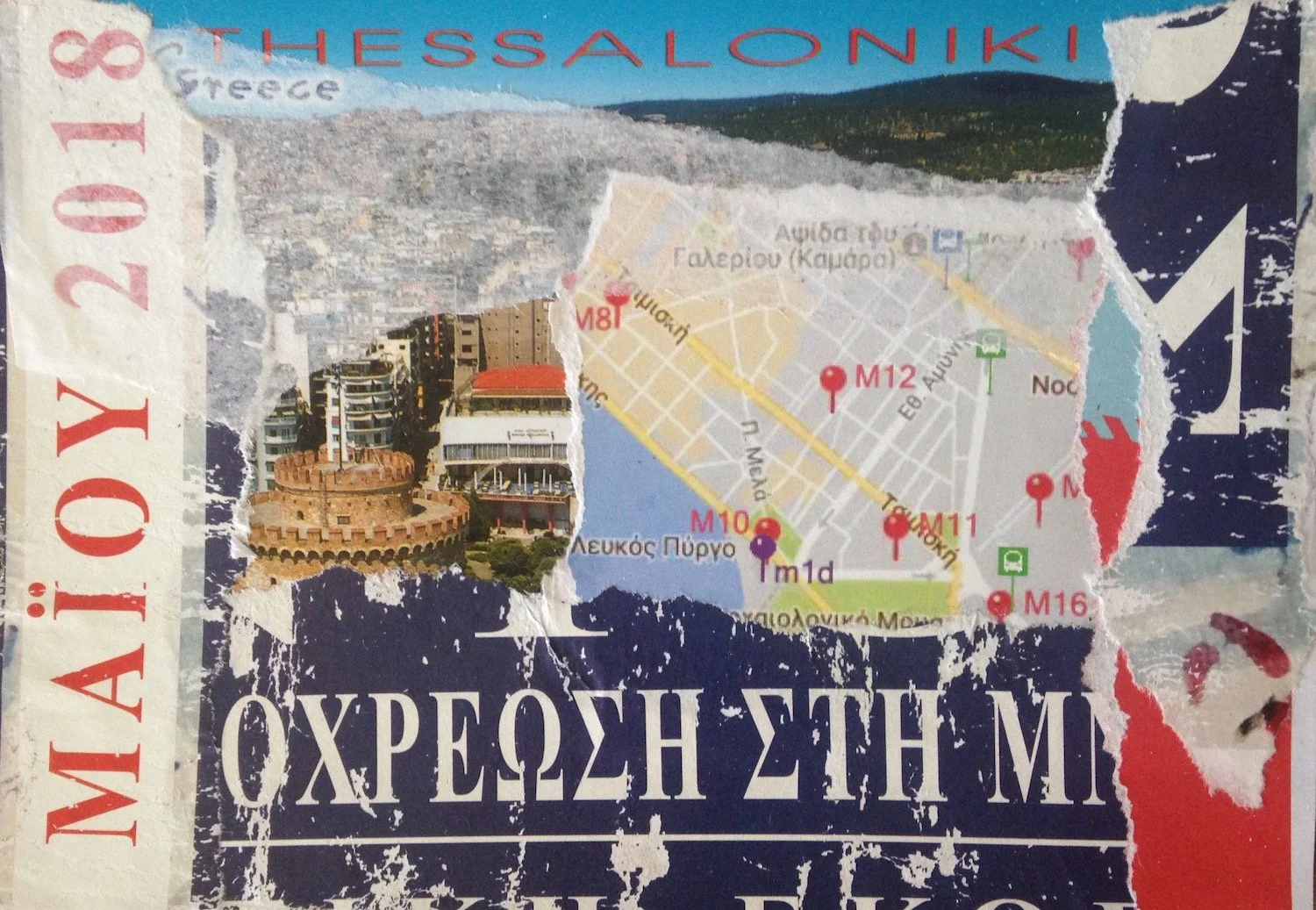
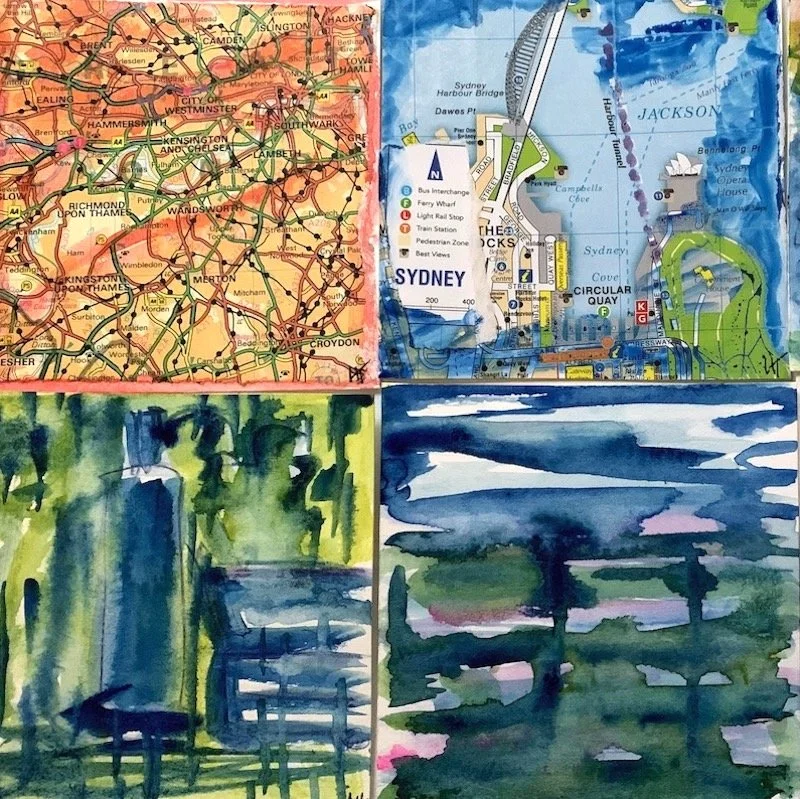
Creating collages, every day for more than years has given me a creative practice, a visual diary and ways to work through some of my ideas on a small scale. Now some of these collages are featured in a new book Collage Your Life by USA artist /author Melanie Mowinski.
I am attracted to text as art. Graffiti, asemic writing, Cyrillic script, Asian calligraphy and Pitmans shorthand. A hidden language that whispers of poetry and love. Success in art takes time and a whole lot of practice. It is the only thing that stands between you and your success.
I have been lucky to research and create art about a specific place on artist residencies. But it wasn’t always like that. In many cases it has taken years before my art about place could be be expressed as a placemaking ‘retrospective’.
Quite often my best art works are created really quickly. Things “just click” and the work literally makes itself. Other pieces I will labour over but these are not as successful as they have lost that initial “spark”. Knowing when to stop is key.
What happens when you get out of your daily rhythm? You have to get back into flow. There are seven positive small actions I took to get back into the rhythm of creating again in my studio after five months away.
We are our own worst critics. We have so many ideas around failure that it is easy to get discouraged. Yet all is not lost. When you adopt a “never give up” attitude your lost days can turn into blessings.